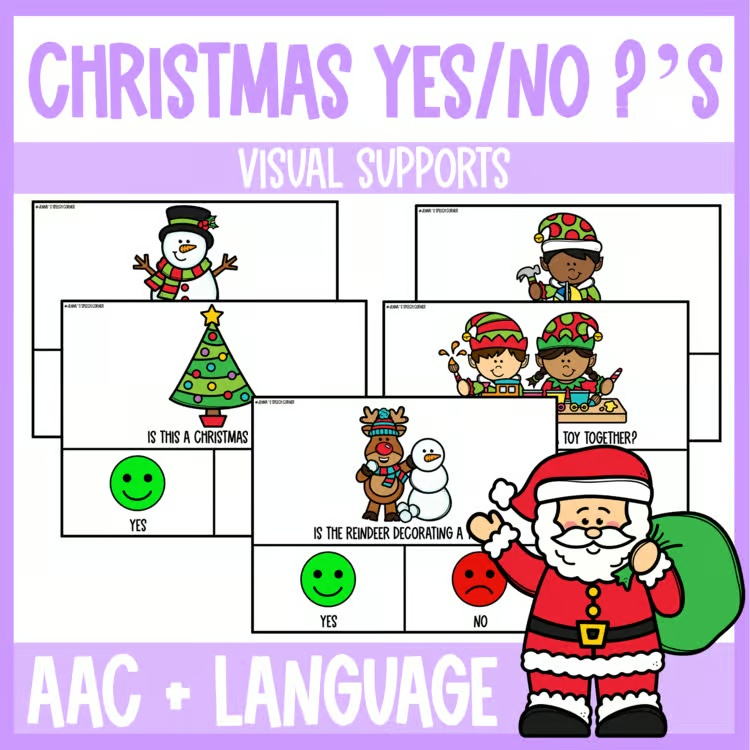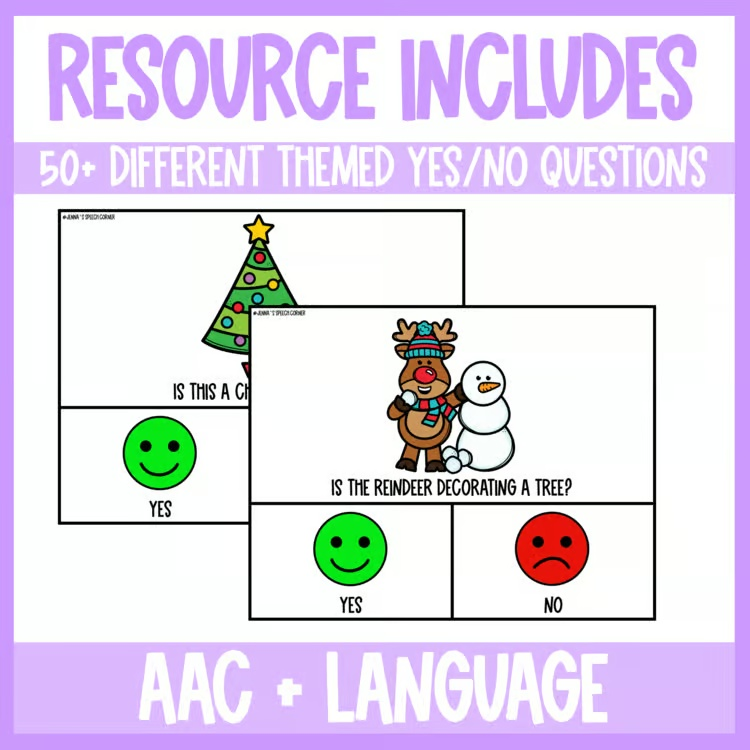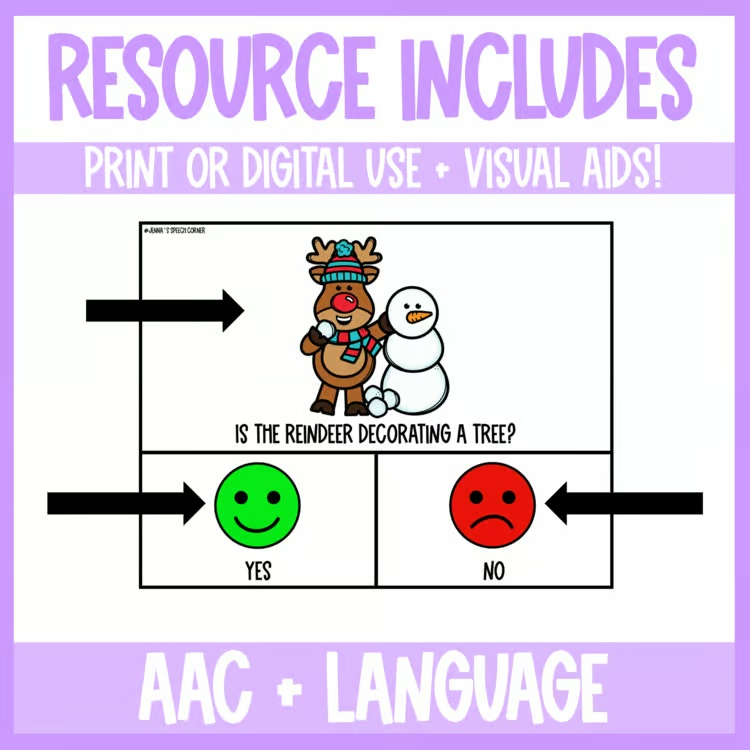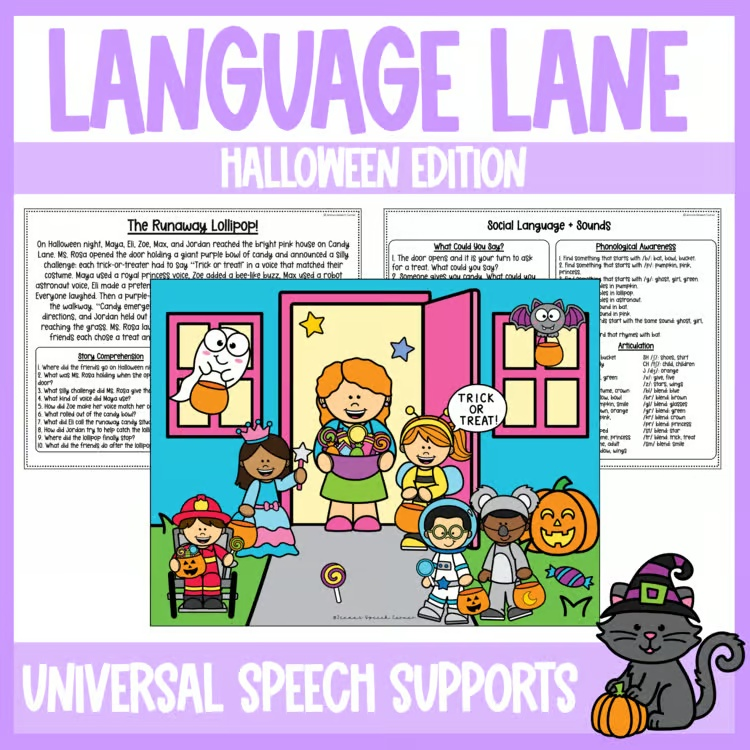
Need a spring speech therapy activity that can cover multiple goals without planning something different for every student, group, or intervention setting?
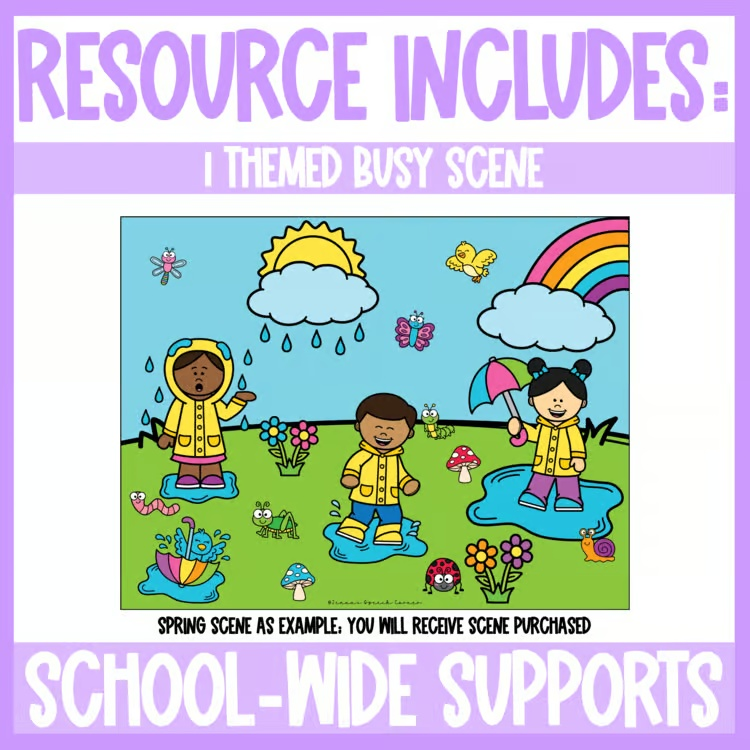
This Spring Speech Therapy Busy Scene gives you one engaging rainy-day visual with multiple ways to target speech, language, social communication, phonological awareness, weather vocabulary, inferencing, and problem-solving.
Use it as a seasonal rotation in your Language Lane schoolwide Tier 1 system, during Tier 2 speech and language intervention, in speech therapy treatment sessions, with mixed groups, during classroom collaboration, or send selected activities home for additional practice.
One spring scene. Multiple speech and language targets.
Students can use the same shared visual while you adjust the question, prompt, or level of support based on individual communication goals.
USE THIS RESOURCE FOR:
Tier 1 schoolwide speech and language support
Language Lane spring rotations
Tier 2 targeted speech and language intervention
Individual speech therapy sessions
Small-group speech therapy
Mixed speech and language groups
Spring speech therapy activities
Rainy day speech therapy activities
April and May speech therapy
Weather and seasonal language activities
Classroom communication practice
Speech and language carryover
Home practice
WHAT’S INCLUDED?
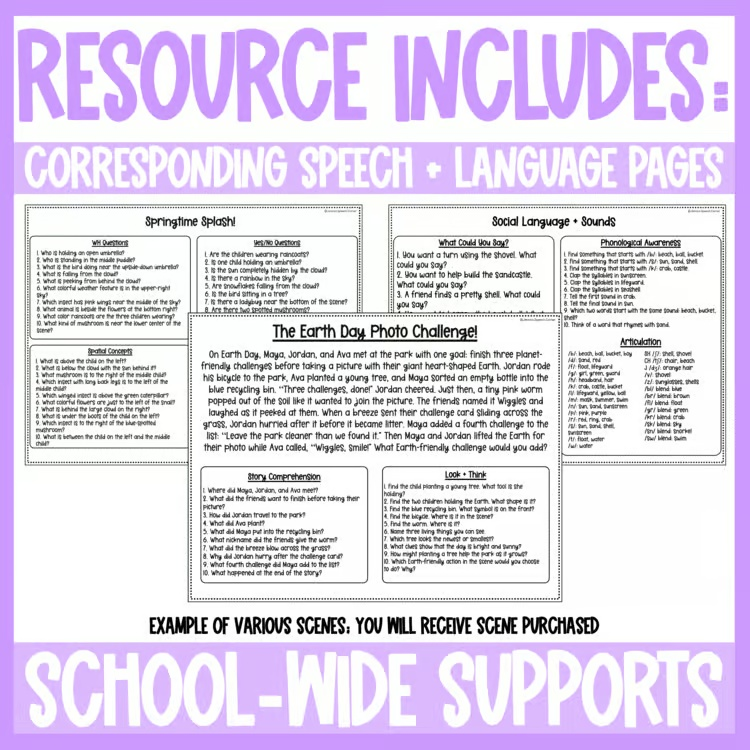
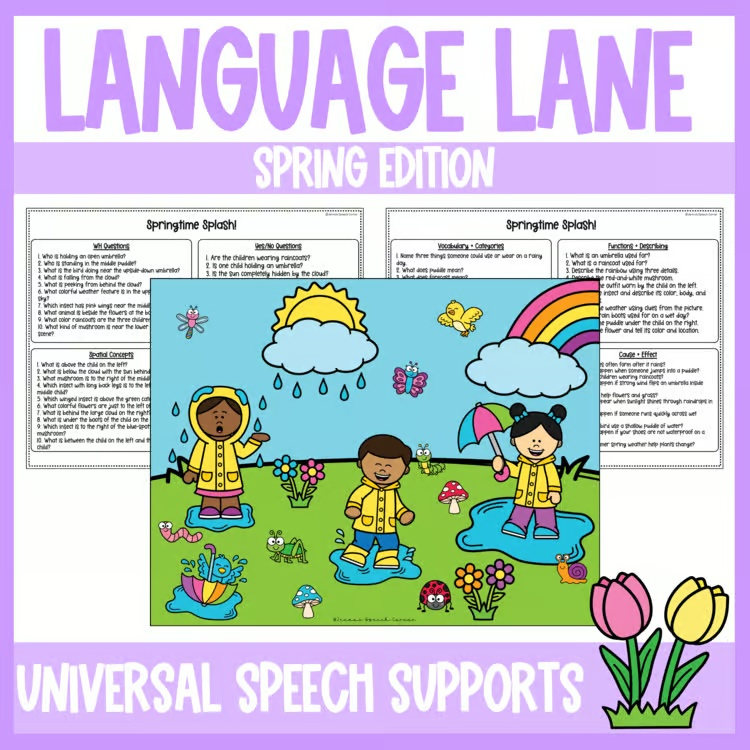
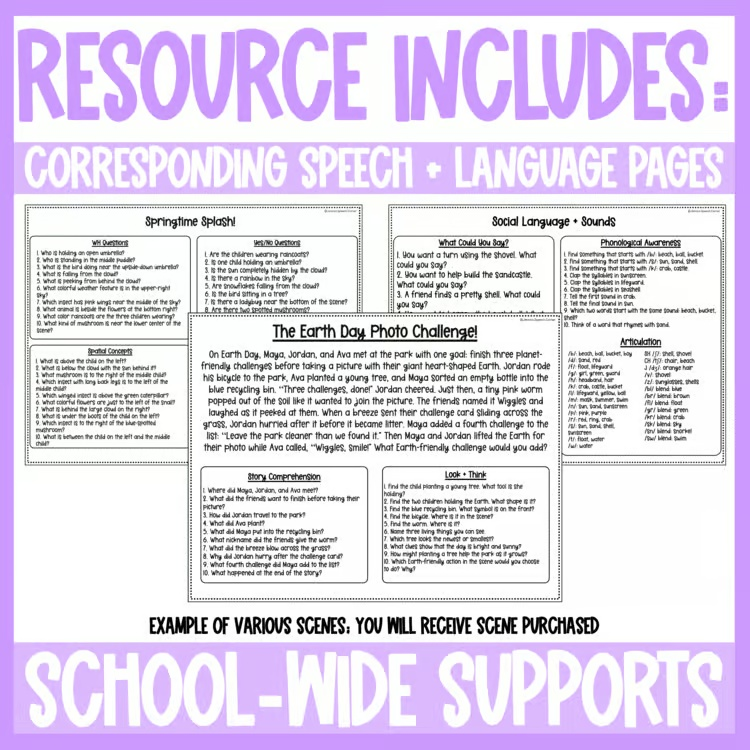
This spring speech therapy resource includes:
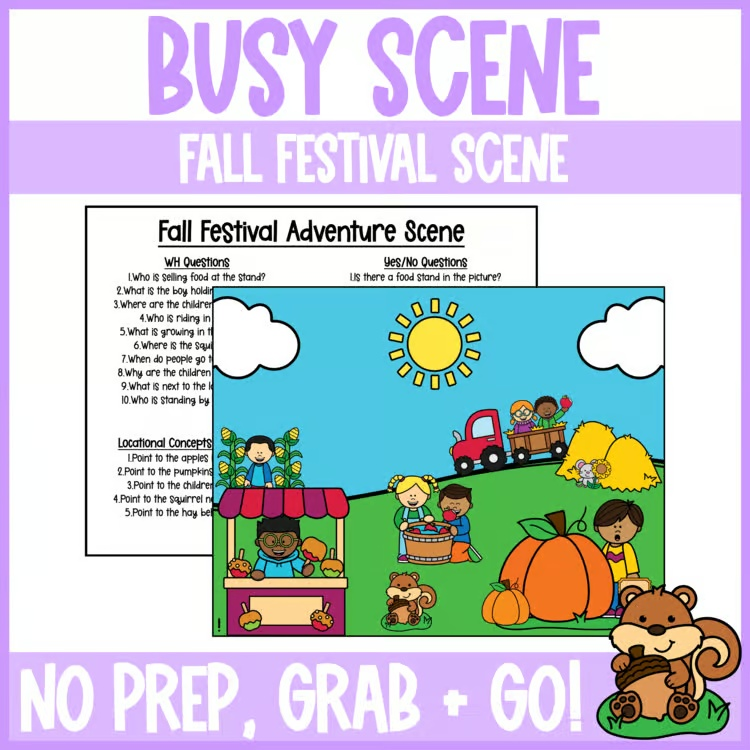
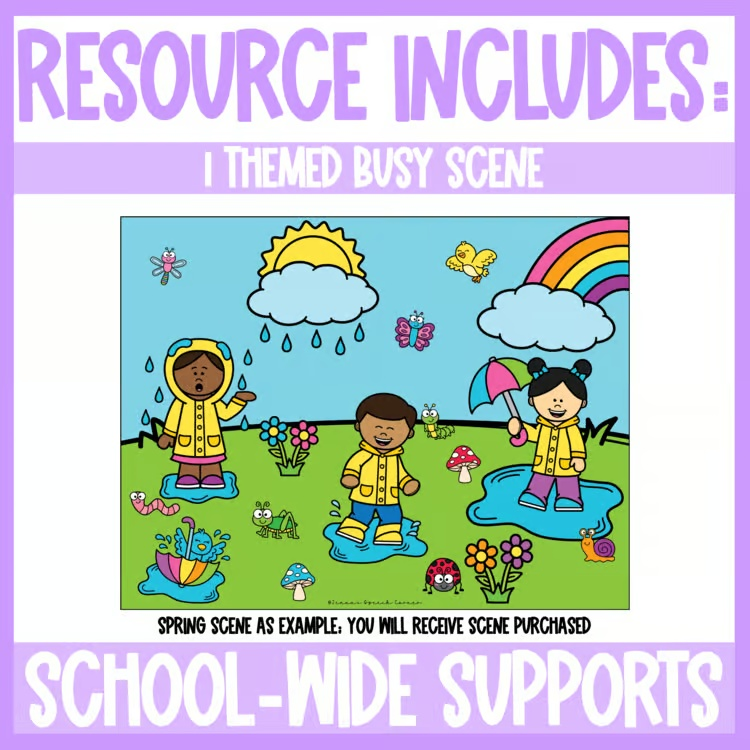
Colorful spring rainy-day busy scene
Short spring story
10 story comprehension questions
10 Look + Think visual reasoning prompts
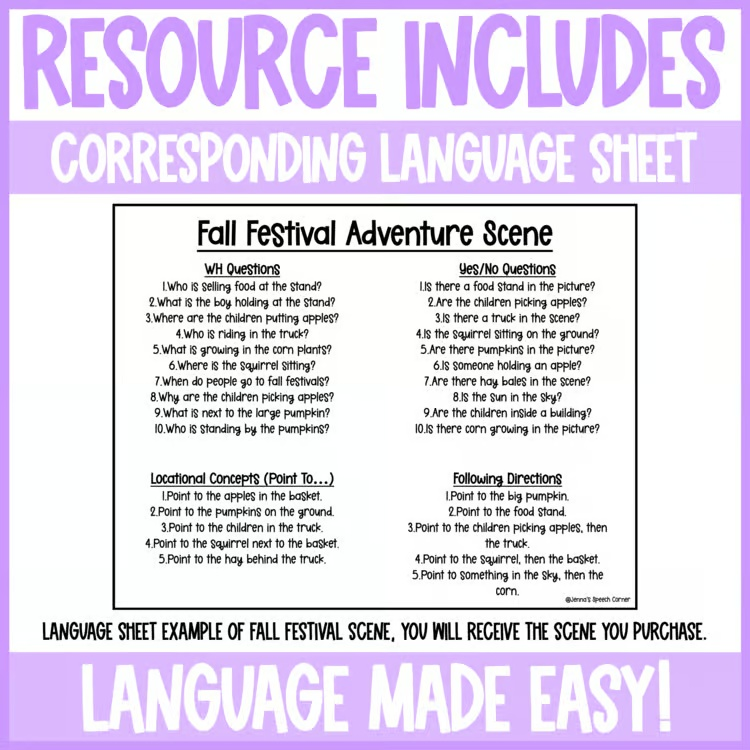
10 WH questions
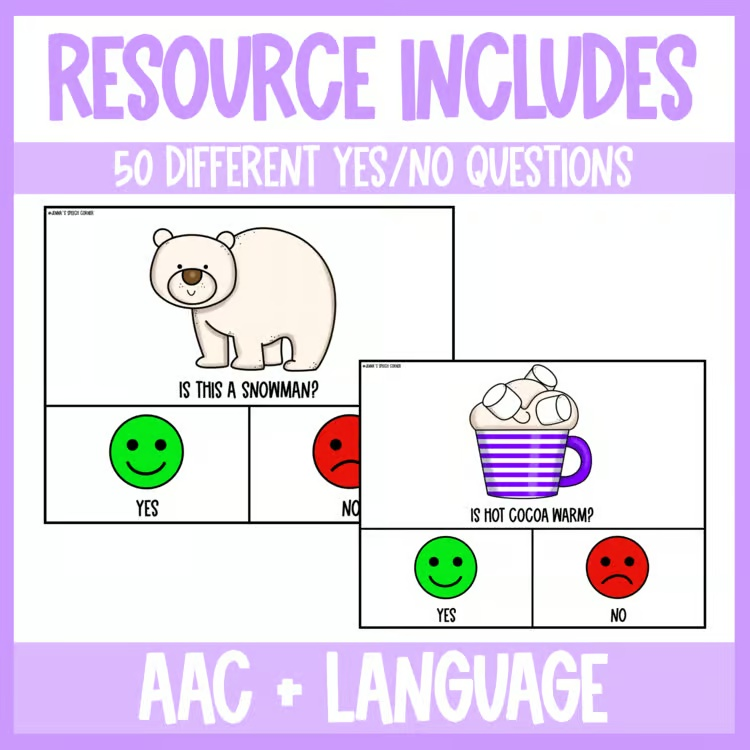
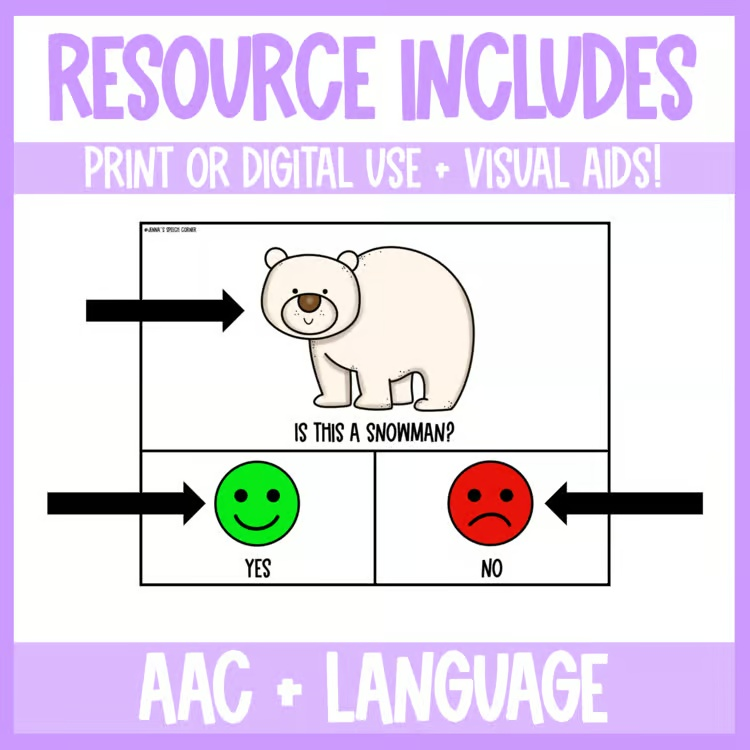
10 yes/no questions
10 spatial concept questions
10 following directions
10 vocabulary and category prompts
10 function and describing prompts
10 compare and contrast questions
10 cause and effect questions
10 inferencing and predicting prompts
10 problem-solving situations
10 functional social language prompts
10 phonological awareness activities
Articulation word bank using spring, weather, and nature vocabulary
The included activities naturally incorporate concepts such as puddles, forecast, drenched, spring weather, raincoats, umbrellas, rain boots, insects, flowers, rainbows, and changing weather.
TWO FILE FORMATS INCLUDED
For added flexibility, you will receive:
The complete resource as a printable PDF
The spring busy scene separately as a PNG file
Use the PDF during speech therapy sessions, intervention groups, classroom practice, or home practice. Use the separate PNG to resize the scene or have it printed at poster size for a larger Language Lane, hallway, classroom, or bulletin board display.
TARGET MULTIPLE SPEECH AND LANGUAGE SKILLS
Receptive Language
WH questions
Yes/no questions
Following directions
Spatial concepts
Story comprehension
Identifying visual details
Weather and seasonal concepts
Expressive Language
Spring vocabulary
Weather vocabulary
Categories
Describing
Object functions
Compare and contrast
Cause and effect
Sequencing
Retelling
Narrative language
HIGHER-LEVEL LANGUAGE
Use the spring scene to target:
Inferencing
Predicting
Problem-solving
Explaining reasoning
Identifying visual clues
Cause and effect
Making connections between weather and the environment
Students can discuss how they know it recently rained, why a rainbow may appear while raindrops are still present, what could happen to puddles when the sun comes out, and how spring weather can affect plants and animals.
FUNCTIONAL SOCIAL COMMUNICATION + PROBLEM-SOLVING
Students can practice communication skills such as:
Responding when someone accidentally splashes them
Offering to share
Asking for help
Warning someone about a possible problem
Asking to join an activity
Requesting a turn
Responding to someone with a different opinion
Asking someone to wait
Apologizing after an accident
Giving a kind comment or compliment
The problem-solving section also includes practical situations involving umbrellas, wet grass, deep puddles, thunder, mud, unfamiliar mushrooms, sharing dry space, and safely observing insects.
SPEECH + PHONOLOGICAL AWARENESS
The included sound activities provide opportunities for:
Beginning sound identification
Matching words with the same beginning sound
Syllable segmentation
Generating words with target beginning sounds
Articulation practice using spring vocabulary
The articulation word bank includes a variety of consonants and blends using words naturally connected to the scene, including bird, boots, butterfly, puddle, raindrop, ladybug, caterpillar, raincoat, mushroom, rainbow, splash, flower, grass, dragonfly, snail, spring, and more.
PERFECT FOR MIXED SPEECH THERAPY GROUPS
Mixed groups do not have to mean planning several completely different activities.
Keep the spring busy scene in front of everyone while one student answers a WH question, another describes an insect, another explains a weather concept, another solves a social problem, and another practices an articulation target.
The shared visual keeps students participating in the same activity while allowing you to individualize each student’s speech or language goal.
USE IT FOR MTSS AND BEYOND
This resource was created as part of the Language Lane system, but it can also be used independently throughout your speech and language program.
Use it:
On your Language Lane bulletin board for schoolwide Tier 1 communication support
During targeted Tier 2 speech and language intervention
During individual speech therapy
In small or mixed speech therapy groups
During classroom collaboration
For speech and language generalization
For extra spring or rainy-day practice
As speech and language home practice
PLEASE NOTE
This listing includes the Spring Language Lane busy scene and matching speech and language activities.
The Language Lane Foundation, including the bulletin board setup, implementation guide, staff tools, and schoolwide Tier 1 framework, is sold separately.
Whether you are building a schoolwide MTSS communication system or simply need a versatile spring speech therapy activity, this rainy-day busy scene gives you multiple ways to target speech and language while naturally incorporating weather, nature, inferencing, predicting, and seasonal vocabulary.