Looking for a visual, flexible, and engaging way to teach basic locational and spatial concepts across elementary grade levels? These Basic Locational Concepts Cards are a low-prep, high-impact resource designed to build receptive and expressive language skills, spatial understanding, and
vocabulary development in students from Kindergarten through 5th grade.
These cards are ideal for speech therapy, special education, and general education classrooms looking to reinforce essential spatial and language concepts in an interactive, age-appropriate way.
What’s Included:
24 total locational and spatial concepts (e.g., in, on, under, next to, behind, between, and more)
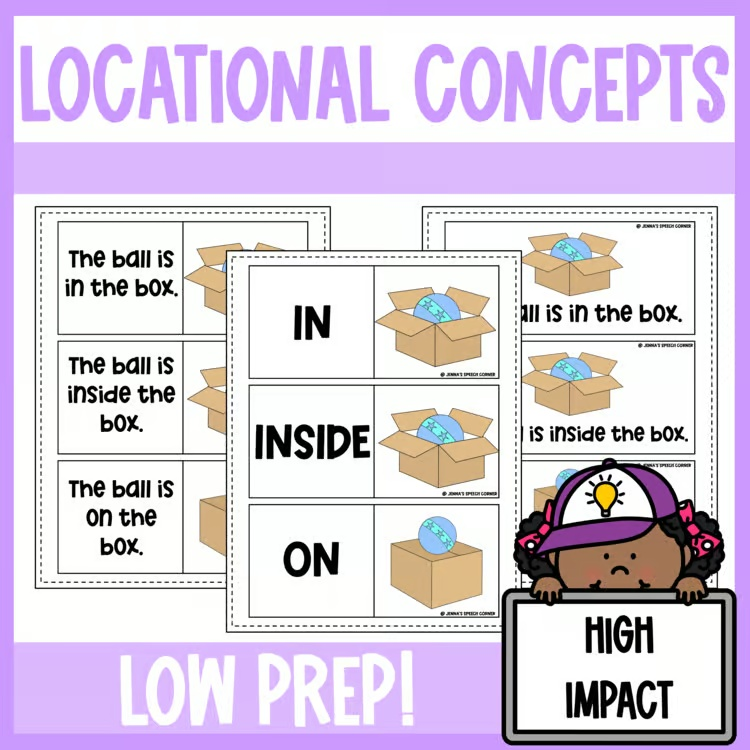
Each concept includes 3 differentiated card types for versatile learning and play:
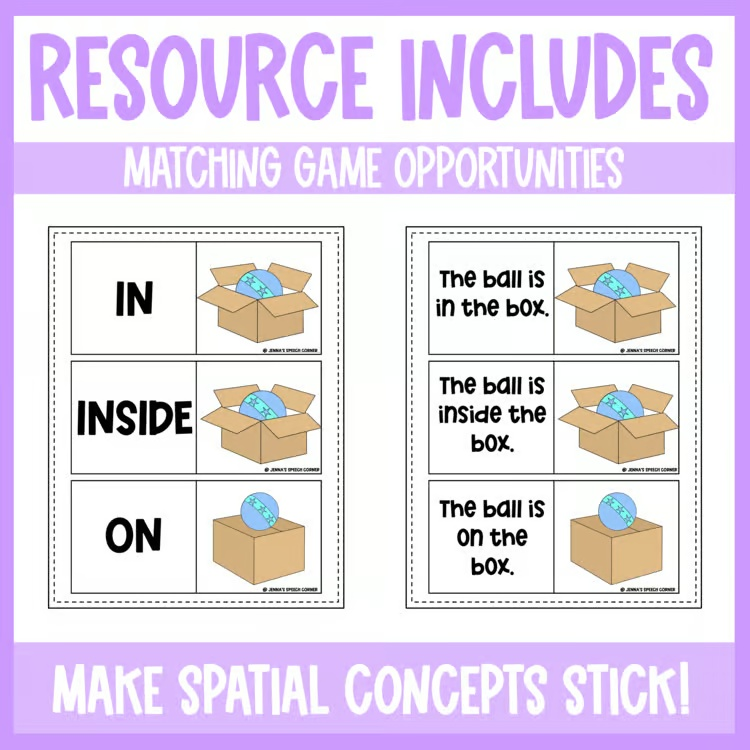
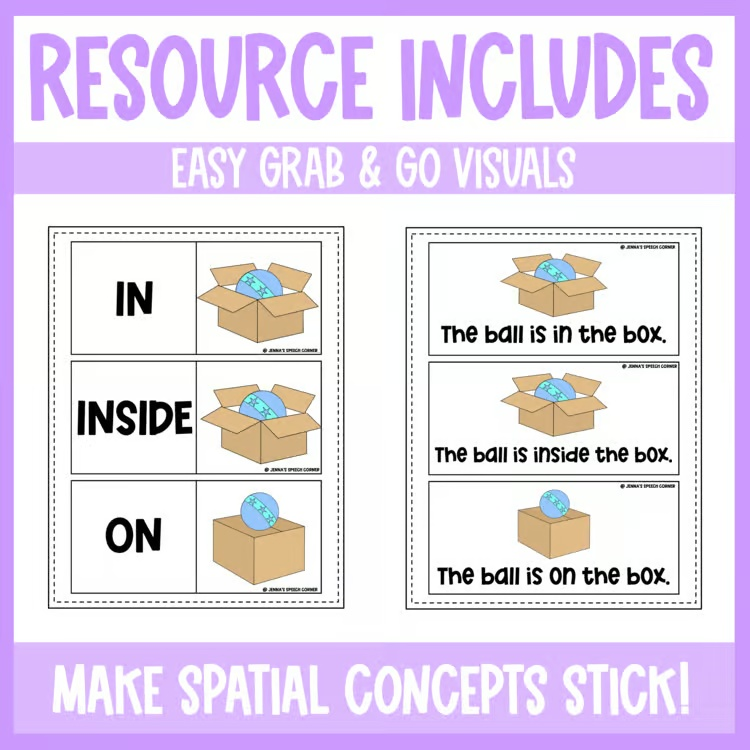
Word + Picture Card: Displays the locational concept with a clear, simple visual—perfect for introducing prepositions or reviewing them at higher grade levels.
Sentence + Picture Card: Shows the concept in a sentence with a matching image—great for comprehension, sentence structure, and context-based learning.
Picture-Only Card: Provides a visual-only option to target labeling, describing, inferencing, and identifying spatial relationships.
A total of 72 printable cards (24 concepts × 3 versions each).
Ways to Use:
Speech Therapy Sessions: Target spatial concepts, following directions, prepositions, sentence formulation, and descriptive language with adaptable visuals for all grade levels.
Matching Game: Cut the cards to play a word-to-picture or sentence-to-visual matching game—ideal for both younger and older students.
Centers or Small Groups: Incorporate into language centers, RTI/MTSS interventions, or special education rotations for interactive concept practice.
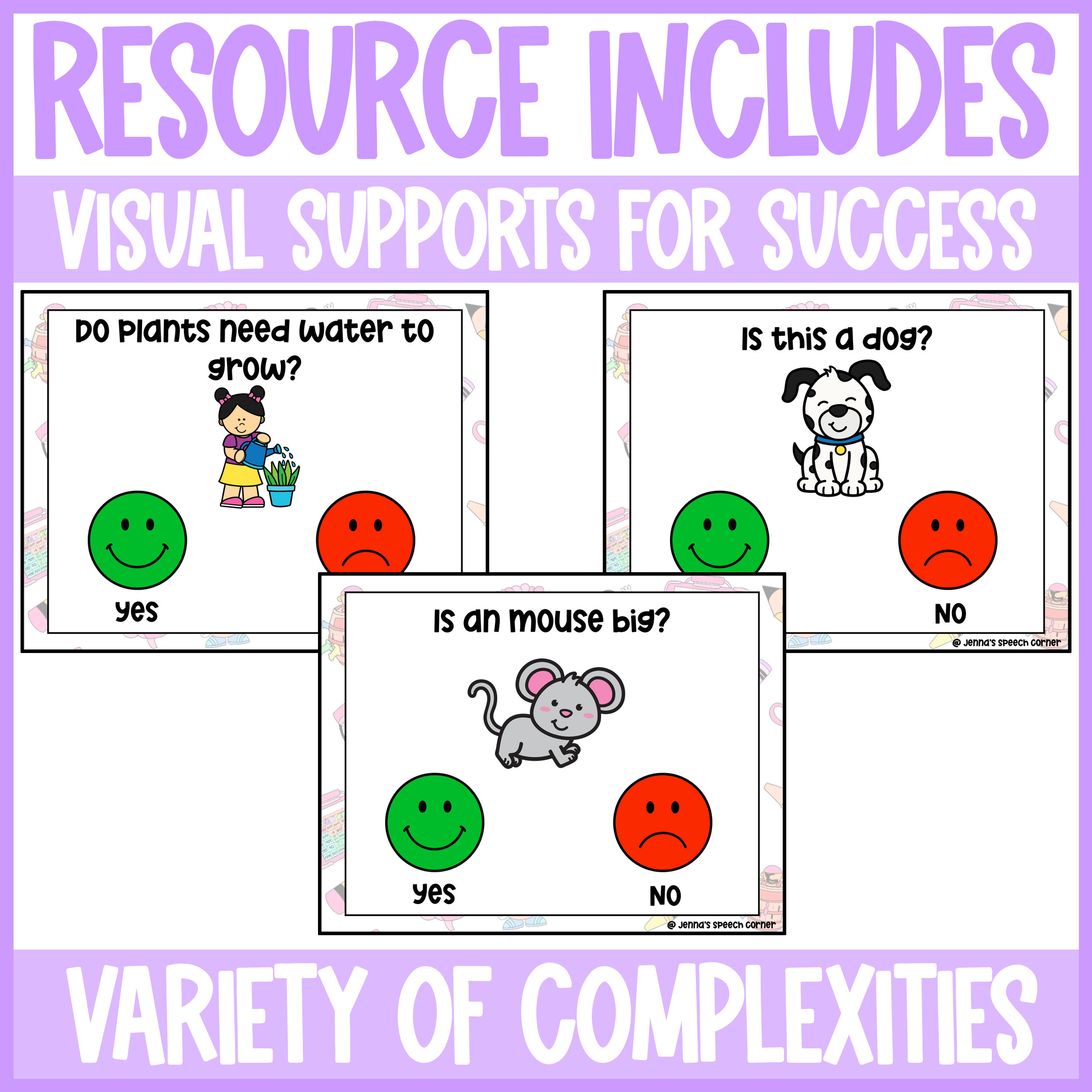
Visual Supports: Use as AAC-friendly visuals, anchor charts, or reference cards for students who benefit from visual language supports.
Perfect For:
Speech-Language Pathologists (SLPs) targeting spatial and locational understanding
Special Education Teachers reinforcing language comprehension and vocabulary
Elementary Teachers (Grades K–5) integrating spatial concepts into classroom routines
RTI / MTSS Language Support programs focused on early and developing language skills
Skills Targeted:
Understanding and using spatial / locational concepts
Receptive and expressive language
Following directions with prepositions
Vocabulary development and concept comprehension
Sentence structure and grammar
Why You’ll Love It:
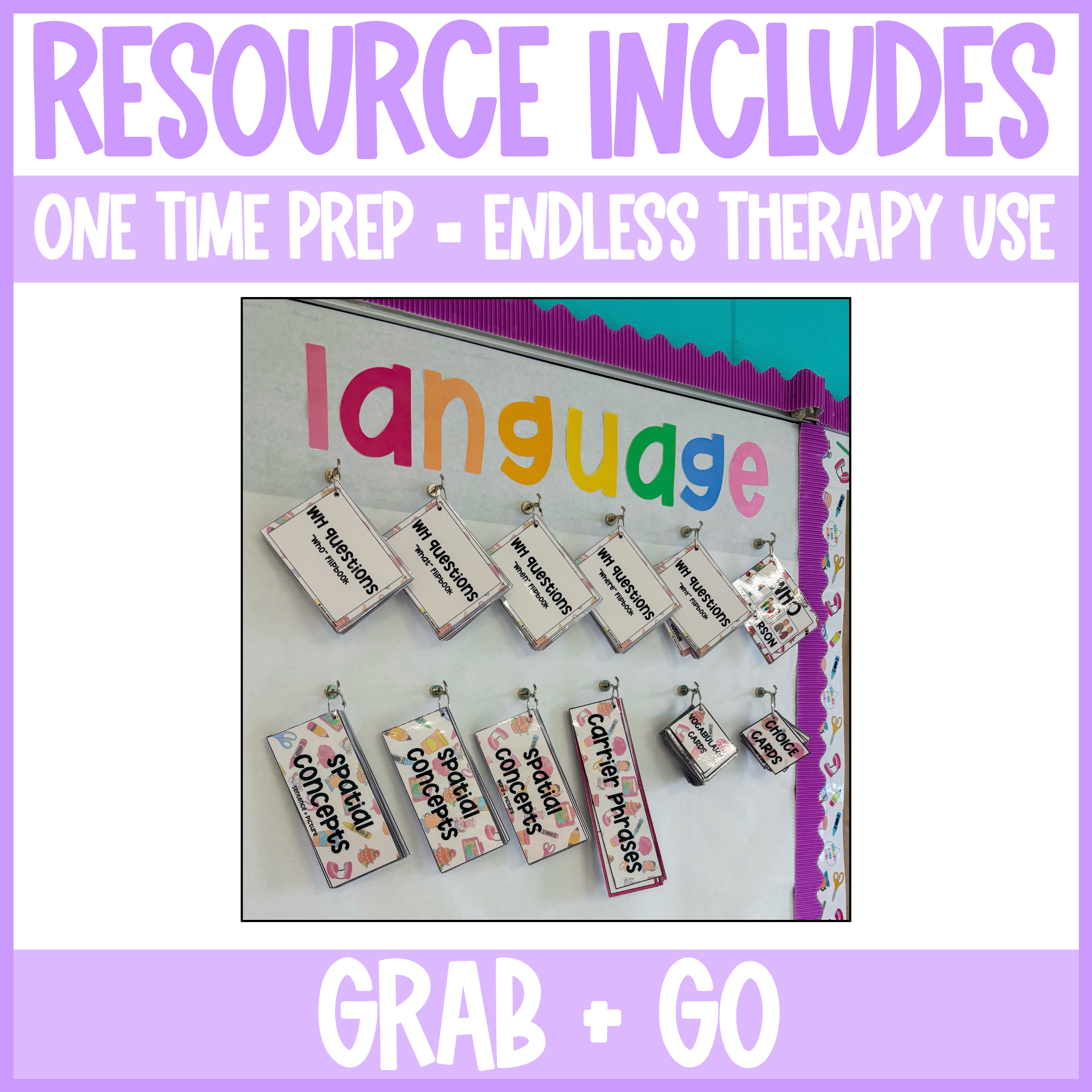
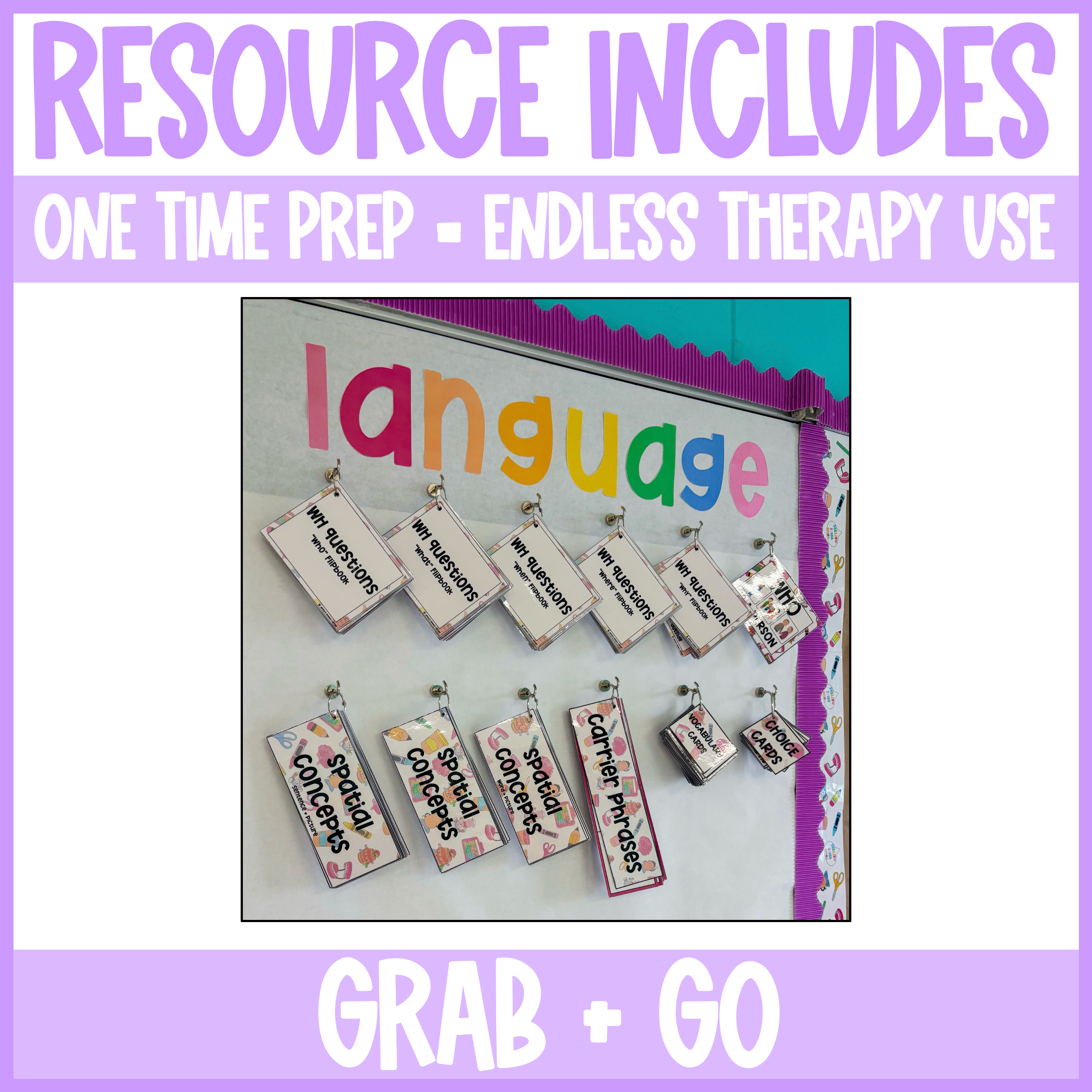
Low-prep—just print, cut, and use
Visually clear and consistent for learners across grade levels
Adaptable for 1:1, small group, or classroom instruction
Engaging and age-appropriate for students in Grades K–5
Supports both verbal and nonverbal learners
Make Learning Spatial Concepts Fun, Visual, and Interactive!
Whether you’re introducing prepositions to early learners or reinforcing spatial vocabulary with upper elementary students, these Basic Locational Concepts Cards make it simple to bring clarity, engagement, and hands-on learning to every speech therapy or language lesson.